
Screen Printing vs DTF: Which Should I Use?
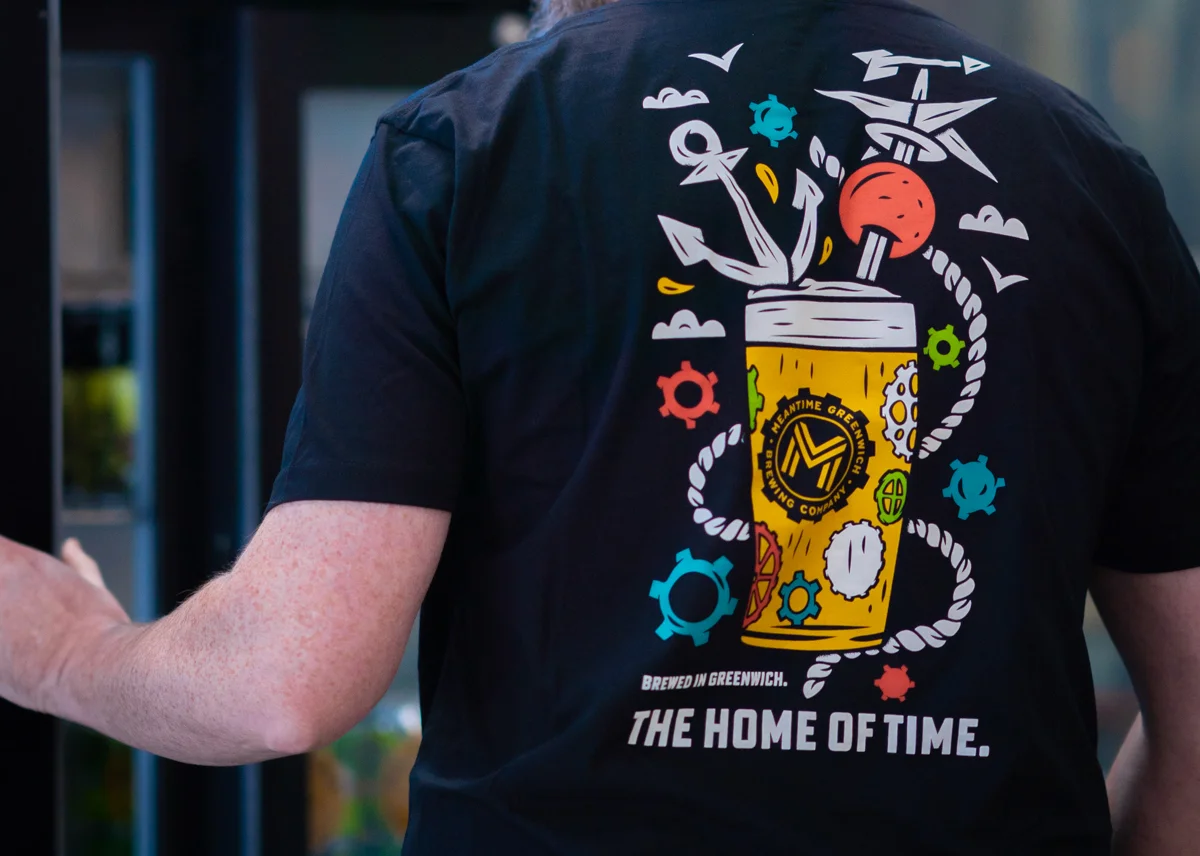
Screen printing and DTF are both great ways to print custom clothing, but they suit different types of artwork and orders.
As a general rule, screen printing is ideal for larger runs and designs with fewer colours, while DTF is great for smaller quantities, detailed artwork and full-colour designs.
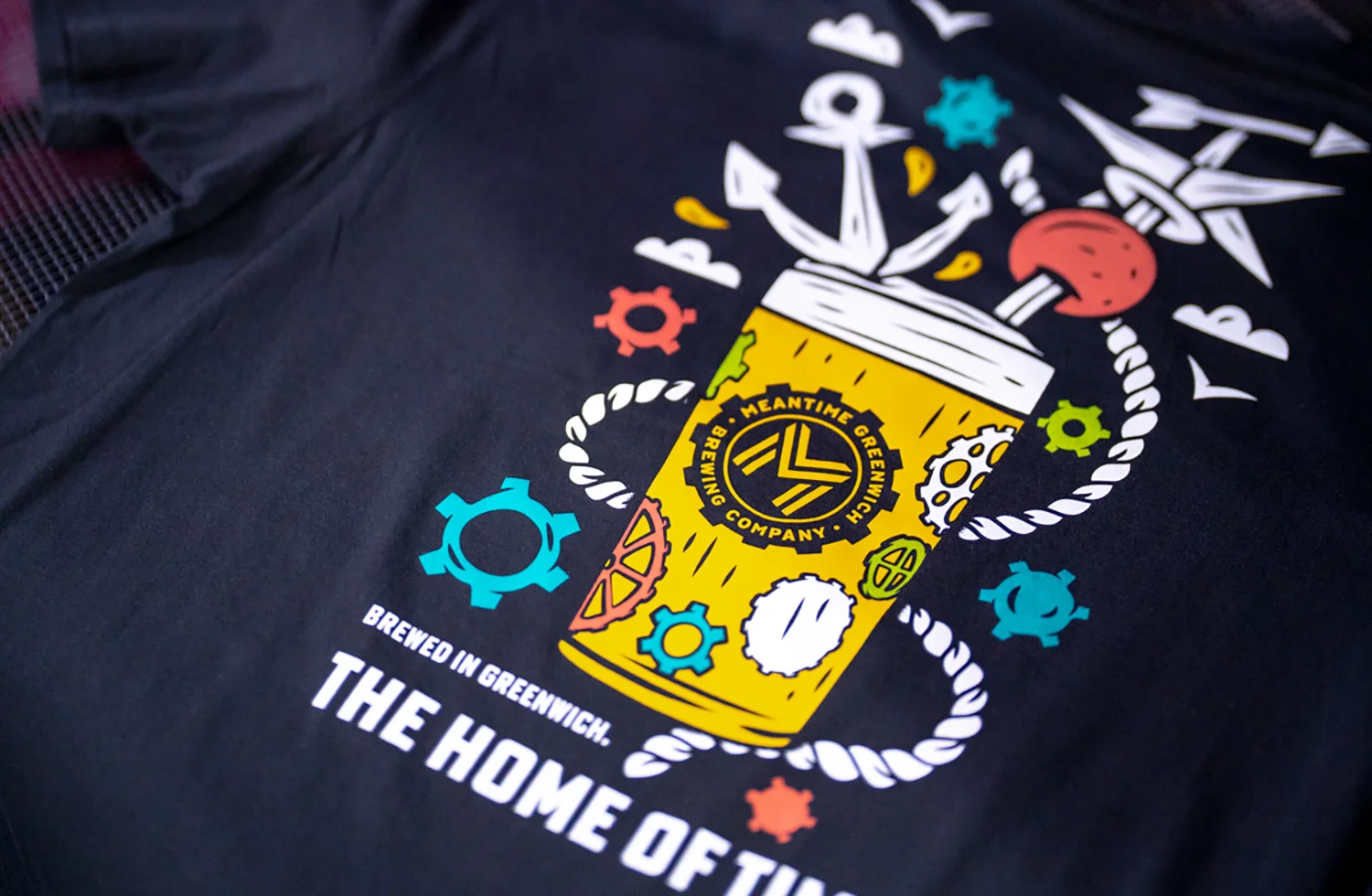
What is screen printing?
Screen printing uses ink pushed through a mesh screen directly onto the garment. Each colour in your design is printed separately using its own screen. It produces a high-quality, durable print and is particularly well suited to bold graphics, logos and designs using a limited number of colours.
Because screens need to be created for each colour, screen printing becomes more cost-effective as quantities increase.
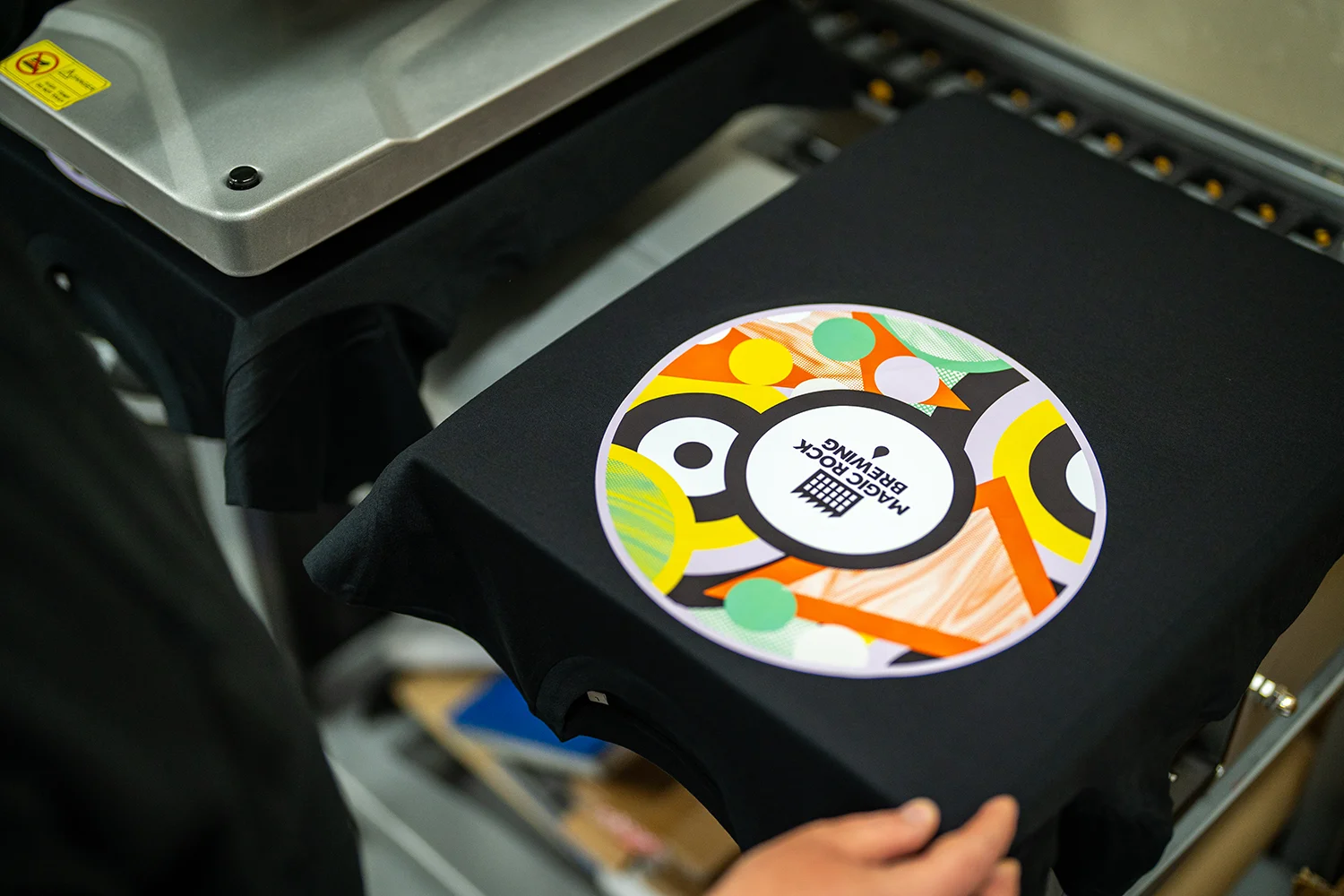
What is DTF printing?
DTF stands for Direct to Film. Your artwork is digitally printed using specialist inks onto a transfer film. The printed design is then heat pressed onto the garment, transferring the ink and design to the fabric. The film is then peeled away. This makes it possible to reproduce detailed artwork, gradients and full-colour designs without needing to create separate screens for each colour. DTF is also well suited to smaller quantities where setting up a screen print may not make sense.
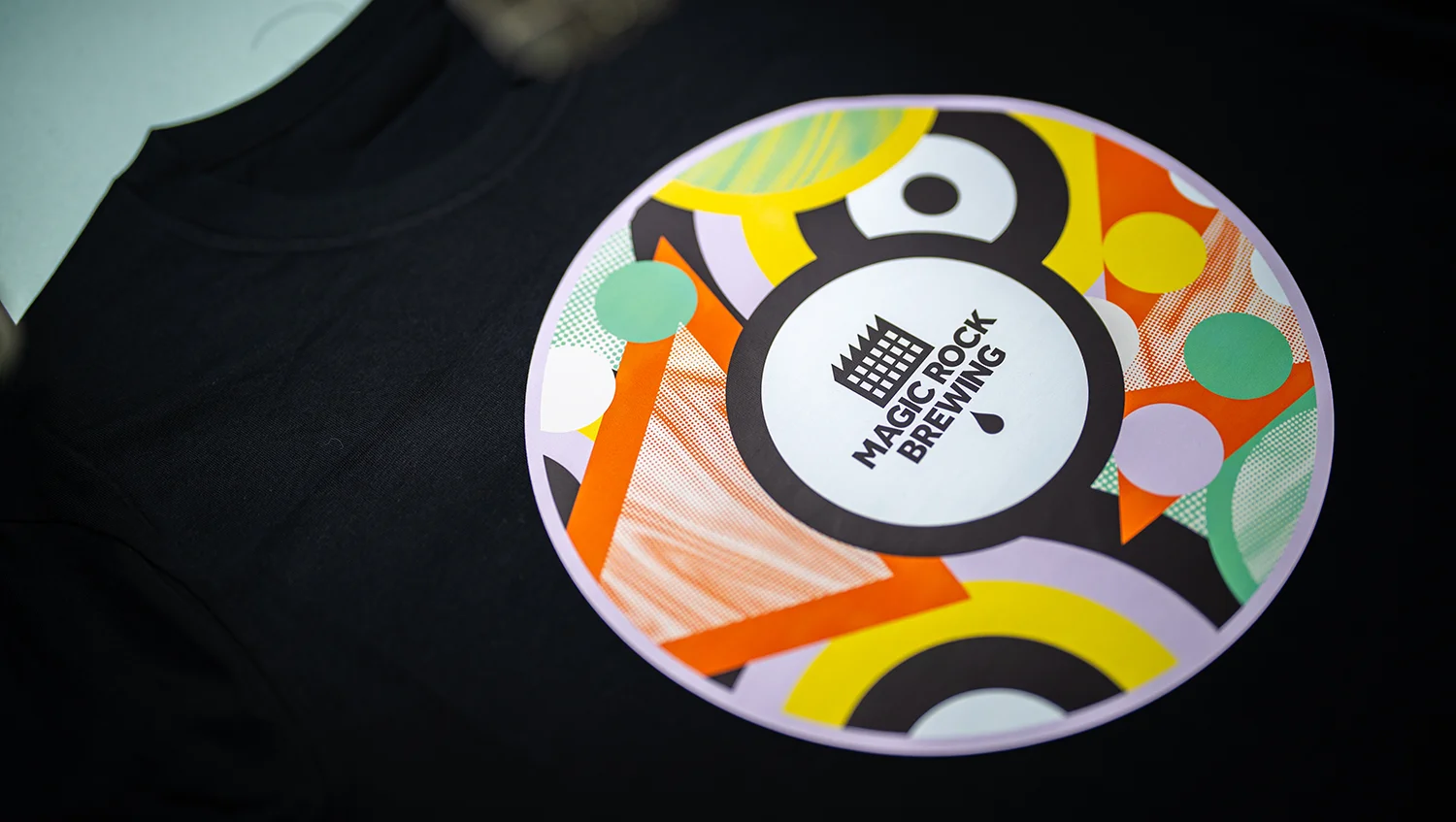
So, which should you choose?
Choose screen printing if you're producing a larger run, have a relatively simple design and want that traditional screen-printed finish.
Choose DTF if you need a smaller quantity, your artwork contains lots of colours or fine detail, or you want the flexibility of digital printing. There are exceptions, though. The garment, artwork, print position and finish you're trying to achieve can all influence which process works best.
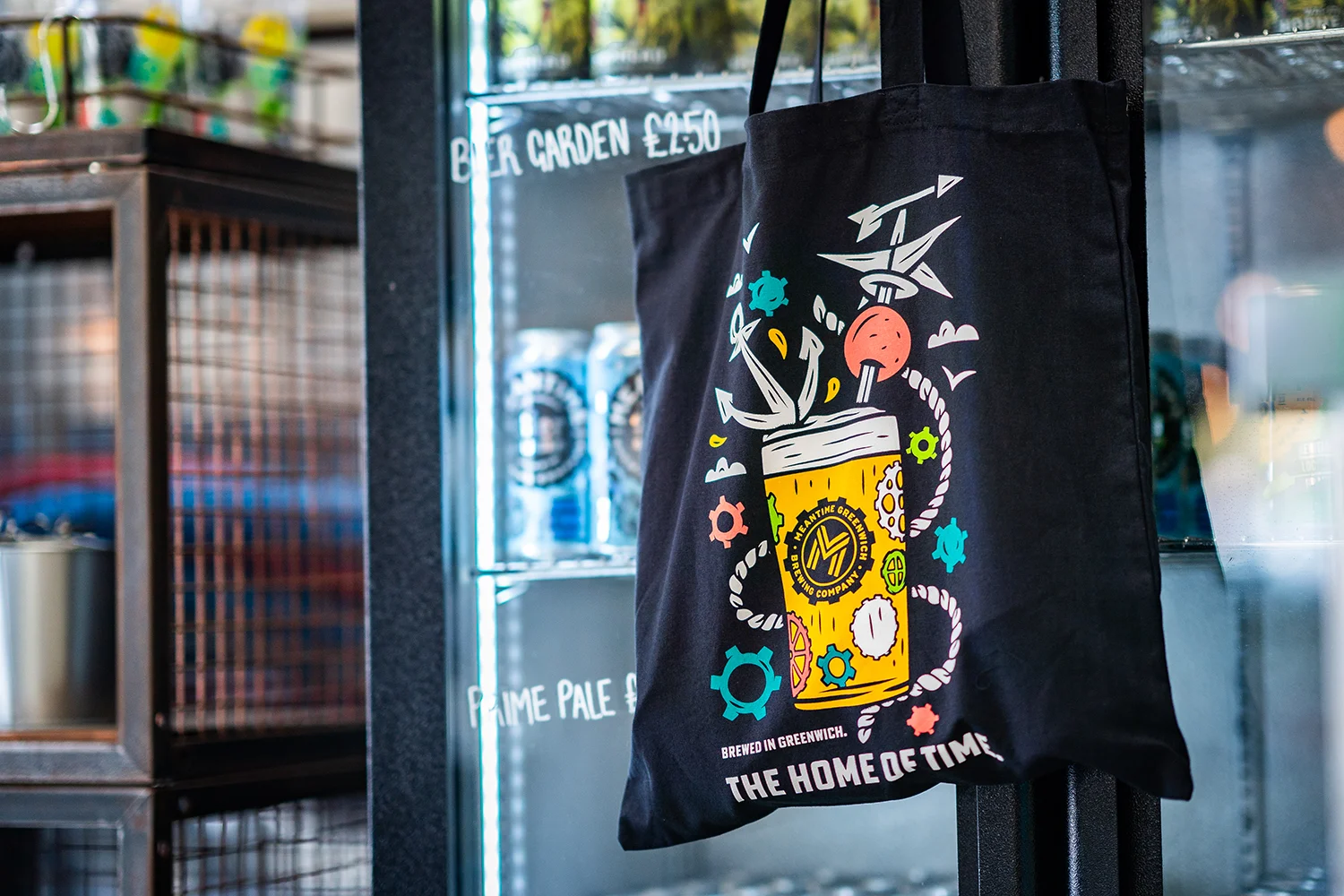
Not sure? Let us decide.
At Vektor, we offer both screen printing and DTF in-house, so we don't need to push you towards one process over the other.
Send us your artwork, tell us what garments you're looking at and how many you need, and we'll recommend the method we think will give you the best result. It's part of how we work with brands as a production partner, choosing the right process for the product, rather than making the product fit the process.